Seated, Defeated, and Judged: The Ruthless Invisible Hierarchy of NYC Subway Seating
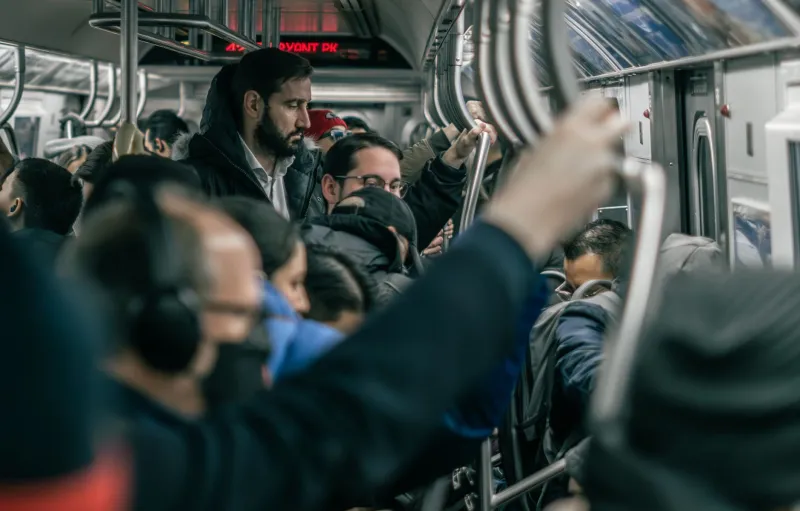
Let's set the scene. It's 6:47 PM on a Tuesday. The N train is doing its signature impression of a sardine can that someone left in the sun too long. You've been standing since 34th Street, your groceries are cutting off circulation to three fingers, and your left knee is making a noise that sounds like a dying printer. Then — miracle of miracles — someone stands up at 28th Street. A seat opens.
And in the 0.3 seconds before your body launches itself toward that rectangle of questionable orange plastic, your brain has already conducted a full moral census of every single person in a four-foot radius.
Welcome to the NYC Subway Seat Negotiation. It is brutal, it is silent, and it has rules that nobody wrote down but everybody somehow knows.
The Hierarchy Is Real, and It Will Humble You
First, understand that the subway seat is not a democracy. It is a meritocracy built on a deeply subjective, deeply New York set of criteria that shifts depending on the line, the time of day, and honestly, the vibes. There is an informal tier system, and if you've lived here longer than six months, you already know it in your bones.
Tier One: Untouchable. Pregnant people, anyone with a visible mobility issue, the elderly — specifically the elderly who have mastered the art of boarding at the last possible second and making eye contact with you like they have seen things you could not imagine. These individuals get the seat. Always. Not because New Yorkers are secretly soft (we are, but that's not the point), but because even the most aggressively checked-out commuter will feel the psychic weight of not giving up their seat for the rest of the week. The social contract is enforced by guilt alone and it works perfectly.
Tier Two: Situationally Deserving. This is where it gets complicated. The parent with a stroller who somehow got the whole thing onto the L train deserves enormous credit for their bravery alone. The person in scrubs who is clearly ending a twelve-hour shift and looks like they are operating on vibes and one granola bar from eight hours ago. The person crying. Not dramatically — just the quiet, dignified, staring-out-the-window-with-wet-eyes crying that New York specializes in producing. You give that person the seat. You don't say anything. You just stand up and look at your phone like you suddenly remembered you had somewhere to be.
Tier Three: The Gray Zone. Everyone else. Which is to say, you.
The Specific Personalities Making This Worse
The hierarchy wouldn't be half as chaotic if it weren't for the cast of characters actively destabilizing the system on a daily basis.
The Strategic Spreader. Not necessarily the classic manspreader (though yes, him too, always), but anyone who has deployed a bag, a coat, a tote full of Trader Joe's frozen meals, or an inexplicable amount of personal real estate to claim a full two-seat territory. The move is always the same: the slight lean away as someone approaches, the meaningful glance at the bag that does not result in moving the bag. You will stand there and consider whether this is worth the confrontation. It is not. It never is. You will move on.
The Aggressive Napper. This person boarded at Jamaica and is now asleep in a position that defies physics and occupies two-thirds of a three-seat bench. Their head is at a 45-degree angle. Their limbs have colonized the surrounding space. Waking them is technically possible. Doing so will result in a thirty-second interaction that will live in your nightmares. You will not wake them.
The Twelve Bags Person. Deserving of sympathy in theory — they went to the farmer's market, they went to HomeGoods, they are clearly trying to improve their apartment and their life simultaneously — but their bags are sitting on a seat and those bags have not paid a $2.90 fare. The calculus here is genuinely hard. You cannot ask the bags to move. You have to ask the person attached to the bags. This is a whole thing.
The Performative Phone-Checker. The person who absolutely sees you standing there, absolutely knows a seat is adjacent to them, and has chosen this exact moment to become extremely invested in something on their screen. Their awareness is visible. Their refusal is a choice. They have looked up, made eye contact, and looked back down. You two have now had a relationship. It ended badly.
The Moral Calculus: A Timeline
Here is what actually happens in your brain during a seat negotiation, broken down by millisecond:
- 0.0s: Seat opens. Your body registers it before your brain does.
- 0.05s: Threat assessment. Who else saw it? How close are they?
- 0.1s: Rapid moral inventory. Are you more tired than everyone in this car? Probably. Does that count? Unclear.
- 0.15s: Scan for Tier One individuals. Did that person just shift their weight? Are they pregnant or did they eat a big lunch? You cannot ask. You will not ask.
- 0.2s: Eye contact with a stranger who is also doing this same calculation. A silent negotiation begins.
- 0.25s: Someone from entirely the wrong direction swoops in from the door.
- 0.3s: They sit down. You keep standing. You stare at the middle distance. You are fine.
The One Rule That Actually Matters
Here's what nobody tells you when you move to New York: the subway seat negotiation isn't really about the seat. It's a daily microdose of the city's entire social contract — the way eight million people crammed into 302 square miles manage to coexist without fully losing it. The unspoken rules exist because the spoken ones would take too long and the train is already moving.
You learn when to sit and when to stand. You learn to read a car in seconds. You develop a sixth sense for who needs it more than you do, and sometimes — on the days when you are running on four hours of sleep and the kind of despair that only a $17 cocktail can temporarily fix — you sit down without guilt and you stare at your phone and you do not make eye contact with anyone.
And that, truly, is the most New York thing of all.
Now slide over. You're in the middle of a three-seater and your elbow is in someone's ribcage.